



















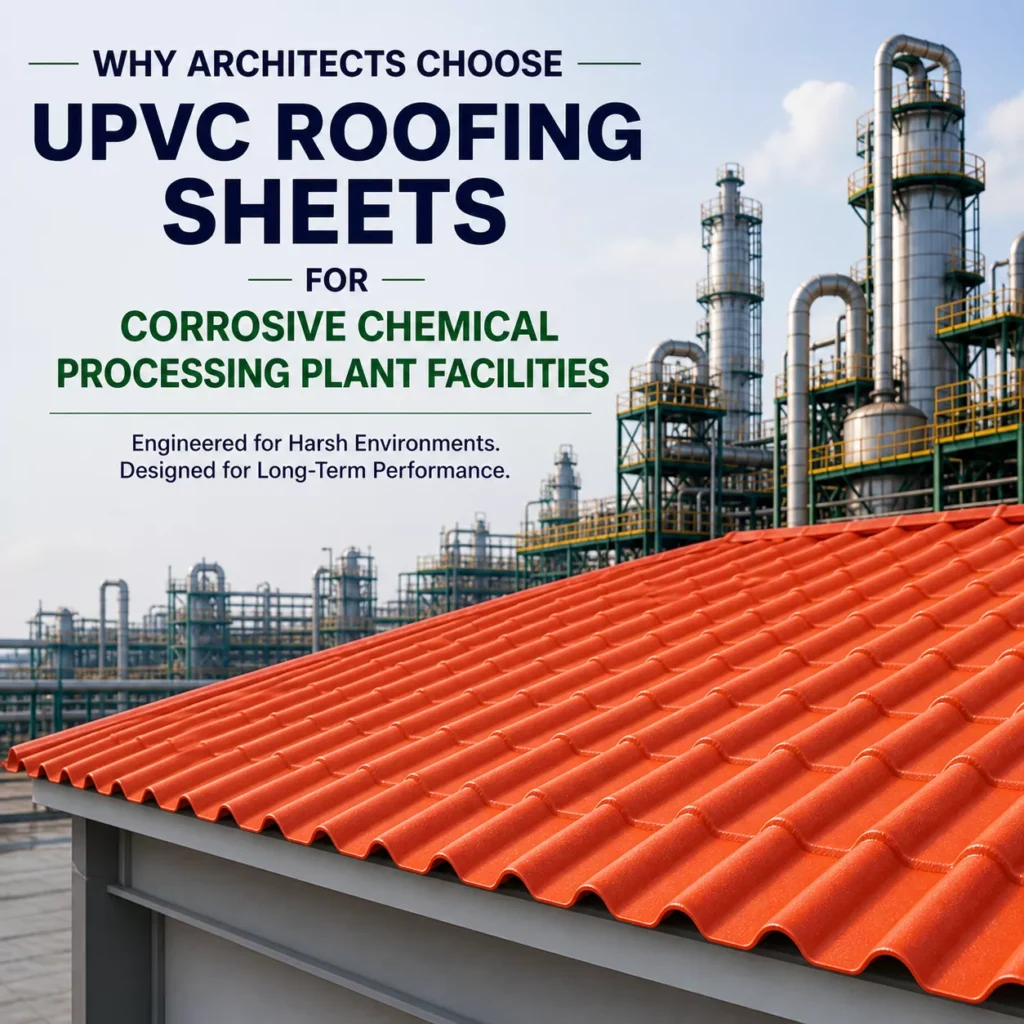
Chemical processing plants operate in some of the toughest industrial environments. Constant exposure to moisture, fumes, acids, alkalis, and temperature fluctuations can quickly damage conventional roofing materials. Because of these challenges, architects and industrial planners focus on selecting roofing systems that offer durability, safety, and long-term value. One solution that continues to gain popularity is UPVC roofing sheets for chemical processing plants.
UPVC (Unplasticized Polyvinyl Chloride) roofing sheets are engineered to withstand harsh industrial conditions while delivering excellent performance. Their corrosion resistance, low maintenance needs, and thermal efficiency make them a preferred roofing option for factories, warehouses, and chemical plants. In this blog, we explore why architects increasingly choose UPVC roofing sheets for corrosive chemical processing plant facilities.
Understanding the Roofing Challenges in Chemical Processing Plants
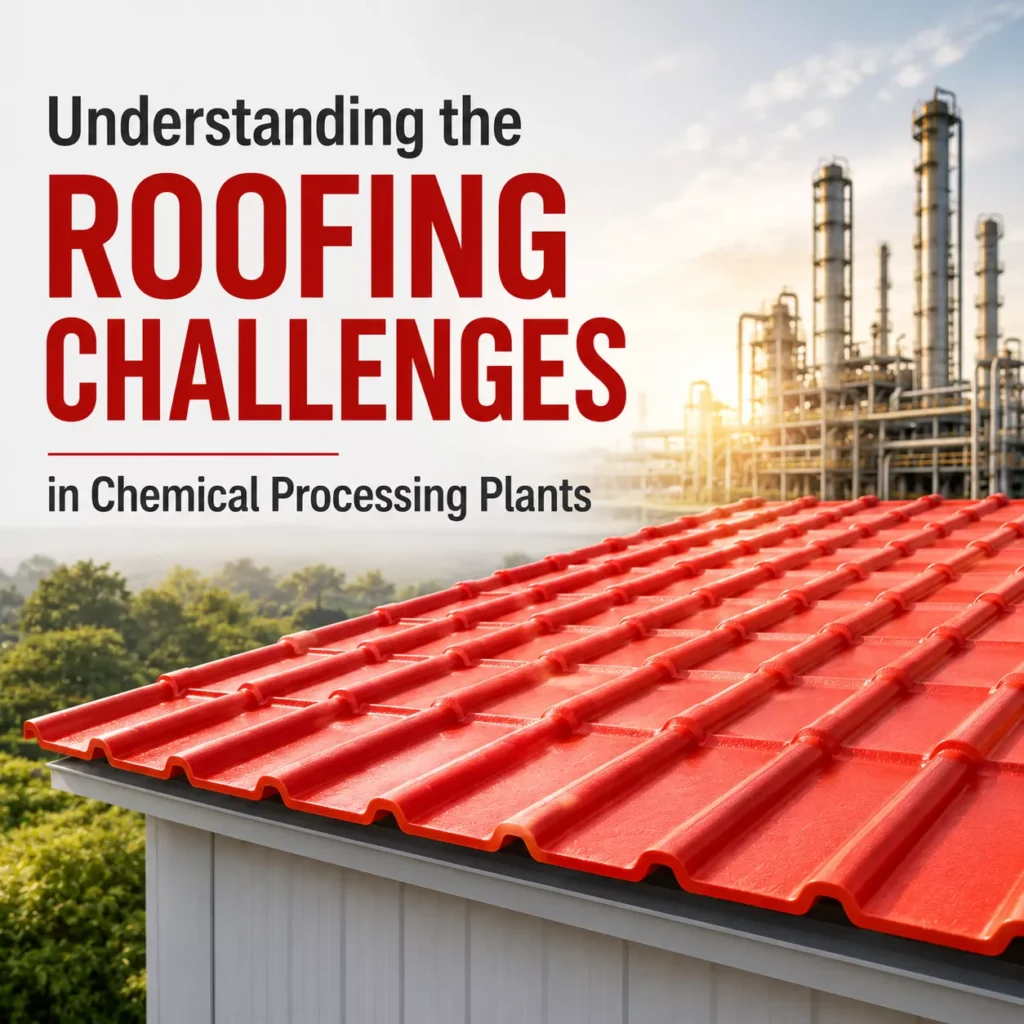
Chemical manufacturing units are exposed to aggressive environmental conditions every day. Roof structures in these facilities must handle:
- Corrosive chemical vapors and gases
- High humidity and moisture levels
- Heat generated from machinery and processing systems
- Frequent rainfall or harsh outdoor weather
- Dust, pollutants, and industrial residue
- Structural stress due to large-span buildings
Traditional metal roofing often struggles in such environments. Over time, rust, leaks, peeling coatings, and frequent repairs can increase operational costs. This is where UPVC roofing sheets for chemical processing plants provide a smarter alternative.
Exceptional Corrosion Resistance
One of the biggest reasons architects recommend UPVC roofing sheets is their outstanding resistance to corrosion. Unlike metal sheets, UPVC does not rust when exposed to moisture or chemical fumes.
Chemical plants often release airborne substances that can damage ordinary roofing materials. Acids, alkalis, and saline particles can slowly weaken steel or aluminum roofing. UPVC roofing sheets are non-metallic, making them naturally resistant to these corrosive elements.
This means plant owners can enjoy a longer roof lifespan with fewer maintenance concerns.
Long-Term Durability in Harsh Environments
Durability is essential when designing industrial facilities. Replacing a roof in an active chemical plant can disrupt operations and create safety risks. Architects, therefore, prioritize materials that remain strong for years.
UPVC roofing sheets are manufactured using advanced multi-layer technology that enhances strength and impact resistance. They perform well under:
- Heavy rainfall
- Strong sunlight
- Wind pressure
- Temperature changes
- Industrial vibrations
Because of this durability, they are commonly used in industrial roofing projects where reliability matters most.
Excellent Thermal Insulation
Many chemical plants generate internal heat from machines, boilers, reactors, and continuous production systems. When combined with outdoor heat, indoor temperatures can rise significantly.
UPVC roofing sheets help reduce heat transfer into the building. Their insulation properties keep interiors cooler compared to metal roofing. This creates a more comfortable working environment for employees and may reduce the load on ventilation or cooling systems.
Architects value materials that improve energy efficiency while supporting workplace comfort. That is another reason UPVC roofing for industrial buildings is in high demand.
Low Maintenance and Cost Savings
Maintenance costs are a major concern in large industrial plants. Traditional roofs may require painting, anti-rust treatments, patch repairs, or replacement of damaged panels.
UPVC roofing sheets require minimal upkeep because they do not corrode, peel, or decay easily. Routine cleaning and periodic inspections are often enough to maintain performance.
This leads to benefits such as:
- Lower repair expenses
- Reduced downtime
- Fewer replacement cycles
- Better long-term return on investment
For plant owners seeking cost-effective infrastructure, UPVC roofing becomes a strategic choice.
Lightweight Yet Strong Construction
Architects must also consider structural load during building design. Heavy roofing materials can increase the cost of support frameworks and foundations.
UPVC roofing sheets are lightweight compared to many conventional roofing materials. Their reduced weight simplifies transportation, handling, and installation. Despite being lightweight, they offer excellent strength for industrial applications.
This balance of strength and low weight helps architects design efficient structures without compromising durability.
Leak Resistance and Weather Protection
Chemical plants cannot afford water leakage from roofs. Moisture entering production areas can damage equipment, affect raw materials, and create safety hazards.
UPVC roofing sheets are designed with secure profiles and proper drainage capability. When installed correctly, they offer strong protection against rainwater penetration.
They also perform well in extreme weather conditions, making them suitable for industrial plants in coastal, humid, or high-rainfall regions.
Noise Reduction Benefits
Industrial zones often experience heavy rainfall and external noise. Metal roofs can amplify rain impact sound, creating a noisy environment inside the facility.
UPVC roofing sheets help reduce noise levels compared to conventional metal roofing. This contributes to a more comfortable and productive workplace, especially in regions with monsoon seasons.
Architects increasingly consider acoustic comfort in industrial design, and UPVC supports this requirement effectively.
Safe and Hygienic Choice
Certain chemical processing facilities need cleaner internal environments for packaging, storage, or specialized production zones. UPVC sheets offer a smooth, easy-to-clean surface that supports hygiene standards.
They also do not rust or shed metallic particles, making them suitable for facilities where cleanliness matters.
Ideal Applications in Chemical Industry Facilities
UPVC roofing sheets are commonly used in:
- Chemical manufacturing plants
- Fertilizer factories
- Pharmaceutical units
- Water treatment plants
- Warehouses storing chemical products
- Acid processing units
- Industrial sheds exposed to fumes
Their versatility allows architects to specify them for new construction as well as renovation projects.
Why Architects Prefer UPVC Over Metal Roofing
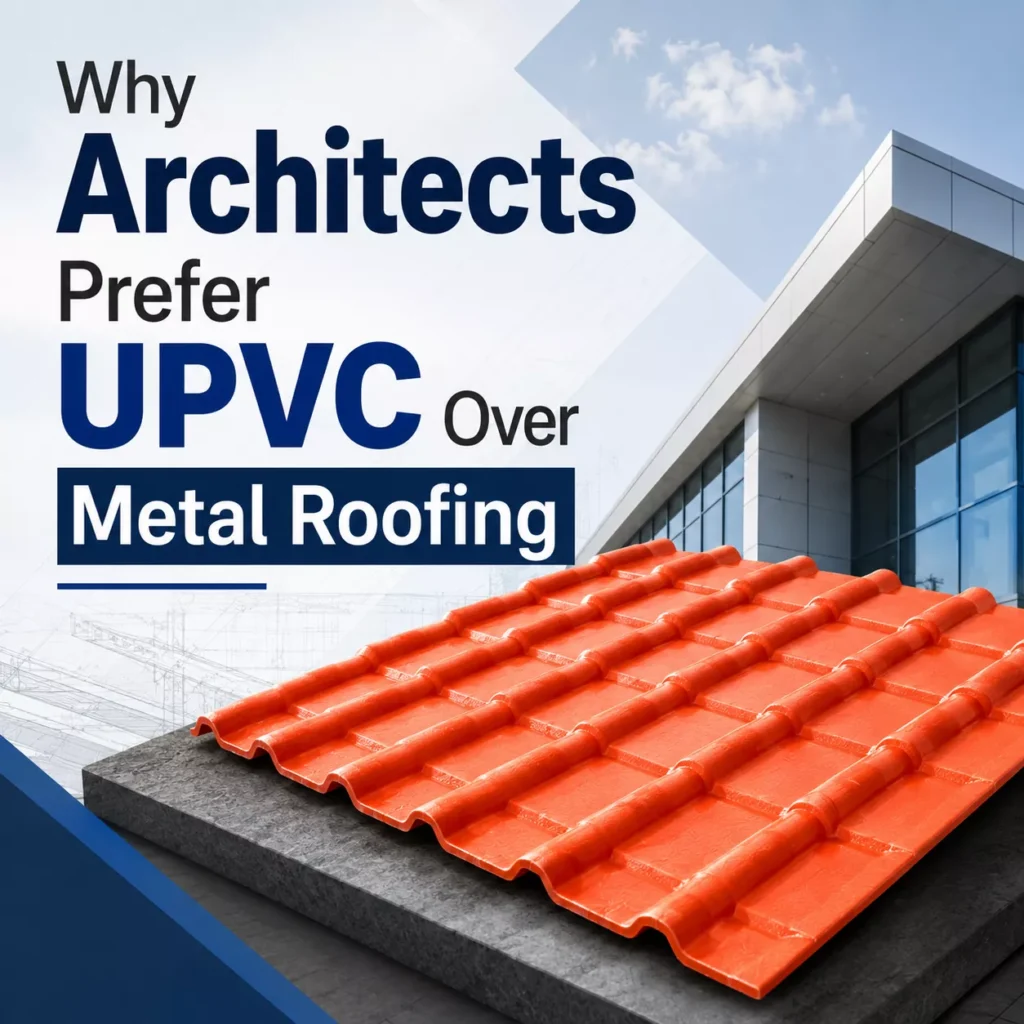
When comparing roofing choices, architects often evaluate performance over the building’s full lifecycle. UPVC roofing sheets offer several advantages over conventional metal roofs:
| Feature | UPVC Roofing Sheets | Metal Roofing |
|---|---|---|
| Corrosion Resistance | Excellent | Moderate to Low |
| Heat Insulation | Good | Low |
| Maintenance Needs | Low | Higher |
| Noise Reduction | Better | Lower |
| Rust-Free Life | Yes | No |
| Cost Efficiency Over Time | High | Moderate |
Because of these advantages, the best roofing for corrosive environments often points toward UPVC solutions.
Choosing the Right UPVC Roofing Supplier
To maximize performance, architects and project owners should choose a trusted manufacturer that offers:
- High-quality raw materials
- Proven industrial-grade sheets
- Correct thickness and profiles
- UV-resistant technology
- Professional installation support
- Warranty assurance
Working with an experienced supplier ensures the roofing system performs reliably in demanding plant environments.
Conclusion
Chemical processing plants need roofing systems that can survive corrosion, heat, moisture, and harsh operating conditions. Standard materials may fail early, leading to costly repairs and interruptions. That is why architects increasingly choose UPVC roofing sheets for chemical processing plants.
Their corrosion resistance, durability, thermal insulation, leak protection, and low maintenance make them an ideal solution for modern industrial facilities. Whether for a new factory or upgrading an existing plant, UPVC roofing sheets offer long-term value and dependable performance.
For businesses looking to protect infrastructure and reduce maintenance costs, UPVC roofing is a smart investment for the future.
Frequently Asked Questions
UPVC roofing sheets are highly resistant to acids, alkalis, moisture, and corrosive fumes, making them a durable roofing solution for harsh industrial environments.
Yes, UPVC sheets are designed to resist damage caused by many industrial vapors, fumes, and chemical emissions that often corrode conventional metal roofing.
Since they resist corrosion, fading, and cracking, UPVC sheets require less frequent repair or replacement compared to traditional roofing materials.
Viraat Industries offers durable, corrosion-resistant UPVC roofing sheets engineered for industrial performance, low maintenance, and long service life.
Yes, UPVC sheets can often be installed on new or retrofit industrial structures, depending on the building design and support framework.