

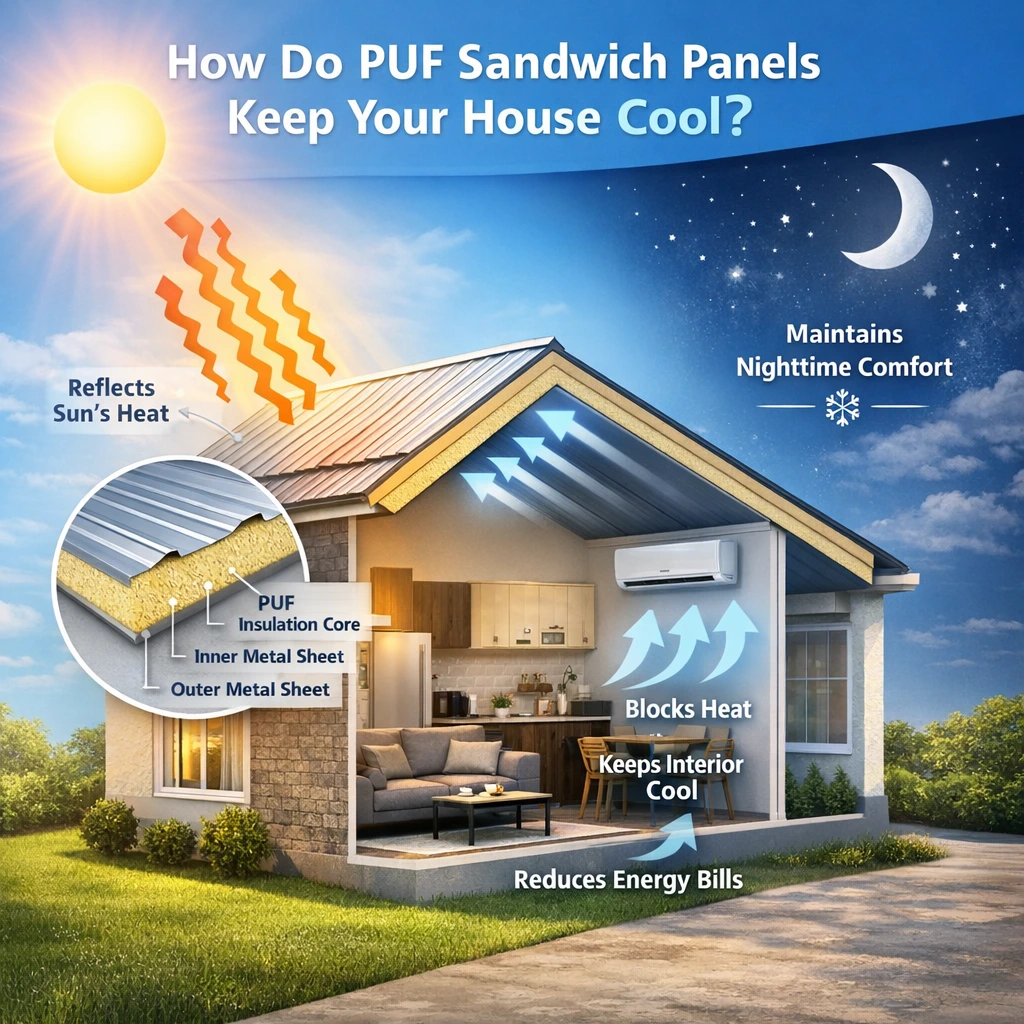
As temperatures continue to rise and summers get harsher across many parts of India, homeowners are actively searching for practical solutions to keep their homes cool. Among the modern building materials gaining popularity, PUF Sandwich Panels stand out as one of the most effective and energy-efficient options. So, how do PUF Sandwich Panels keep your house cool? But how exactly do these panels keep indoor spaces cooler, and why are they becoming a preferred choice for residential and industrial construction? Let’s break it down in a simple, informative way.
What Are PUF Sandwich Panels?
PUF (Polyurethane Foam) Sandwich Panels are specially engineered building materials made up of three layers:
- Outer metal facing (steel, aluminium, or other protective sheet)
- Rigid polyurethane foam core
- Inner metal or protective facing
The polyurethane foam is the heart of the panel — it acts as an insulator that slows down heat transfer. This structure creates a barrier that drastically reduces the amount of heat entering the building.
Thermal Insulation: The Science Behind Cooling
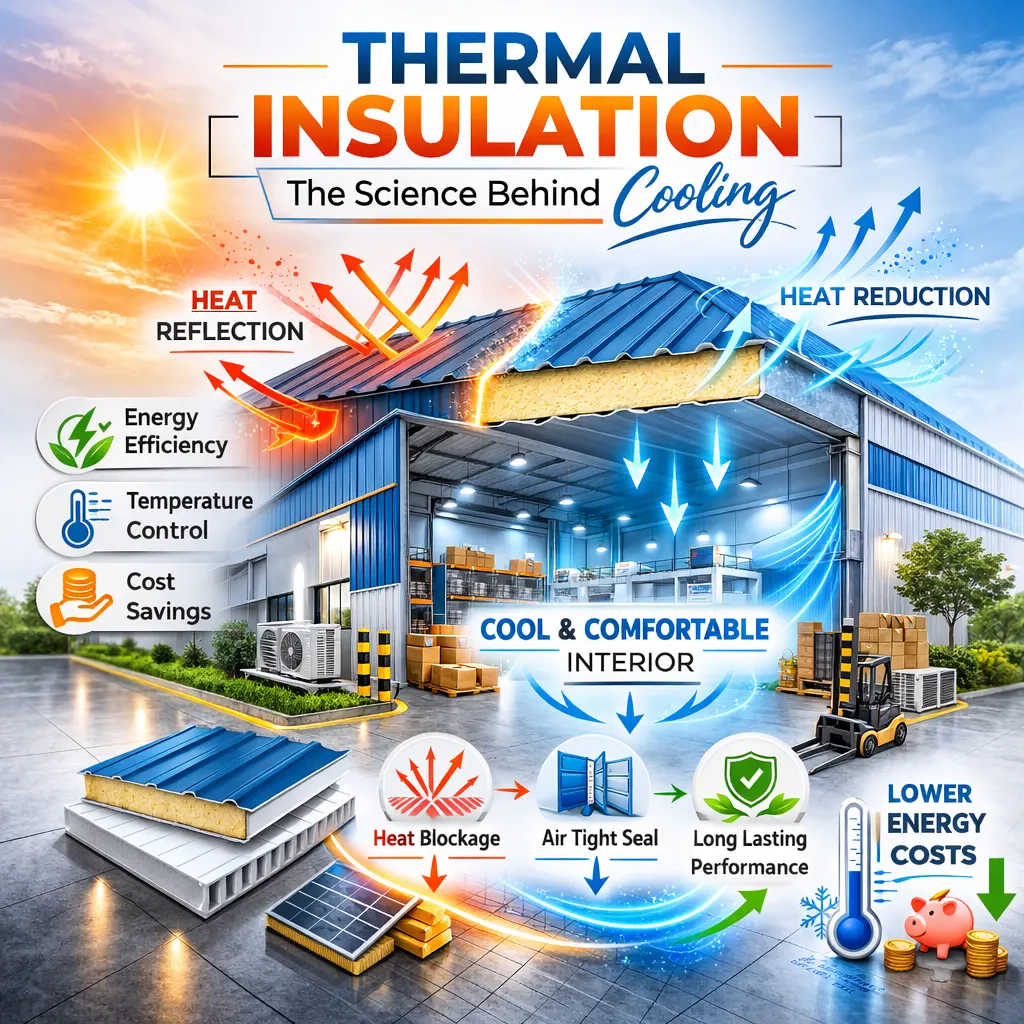
The key to keeping spaces cool lies in the foam core. Polyurethane foam has a low thermal conductivity value, meaning heat takes much longer to pass through it compared to traditional building materials like bricks or concrete.
This results in:
- Lower indoor temperatures
- Reduced need for air conditioning
- Better comfort throughout the day
The dense, closed-cell structure of the foam prevents both conductive and convective heat transfer, making it one of the most effective insulation materials available.
Reflecting Heat Away from the Home
PUF sandwich panels are often coated with reflective outer surfaces. This protective coating reflects solar radiation instead of absorbing it.
When used for roofing:
- The sun’s heat is reflected before it can penetrate the building
- The roof surface remains cooler
- Indoor temperatures stay lower for longer hours
This makes the panels ideal for homes in hot climates.
Air Tightness Better Cooling
Traditional construction often allows air leakage through gaps, cracks, and joints. This lets warm air enter the room and cool air escape, making air conditioners work harder.
PUF panels, when installed properly, create an airtight envelope by eliminating thermal bridges. This improves cooling efficiency and reduces the load on HVAC systems.
Moisture Resistance & Humidity Control
In hot climates, moisture and humidity also contribute to unpleasant indoor environments. The closed-cell foam inside PUF panels prevents water vapor from passing through, meaning:
- Reduced condensation
- Lower humidity levels
- Less mold or mildew growth
This makes indoor spaces healthier and improves comfort during monsoon seasons as well.
Energy Efficiency & Lower Electricity Bills
Because PUF panels help maintain cooler temperatures naturally, energy consumption goes down.
Homeowners can expect:
✔ Lower AC usage
✔ Shorter cooling times
✔ Reduced monthly electricity bills
In the long run, this translates to significant financial savings — especially during peak summer months, when energy usage is at its highest.
Lightweight Yet Strong Construction
PUF sandwich panels are surprisingly lightweight, which makes them easier and faster to install compared to conventional materials. Yet they remain strong enough to handle weather conditions, temperature variations, and structural loads.
This combination makes them ideal for:
- Roofing
- Wall cladding
- Modular homes
- Farmhouses
- Portable buildings
- Prefab cabins
Eco-Friendly Cooling Solution
Unlike chemical solutions or heavy cooling appliances, PUF panels offer a passive cooling method that supports sustainability. By reducing their energy usage, they lower carbon emissions and contribute to a greener living environment.
Some manufacturers also use eco-conscious blowing agents during production, further minimizing environmental impact.
Ideal Applications for Homes & Buildings
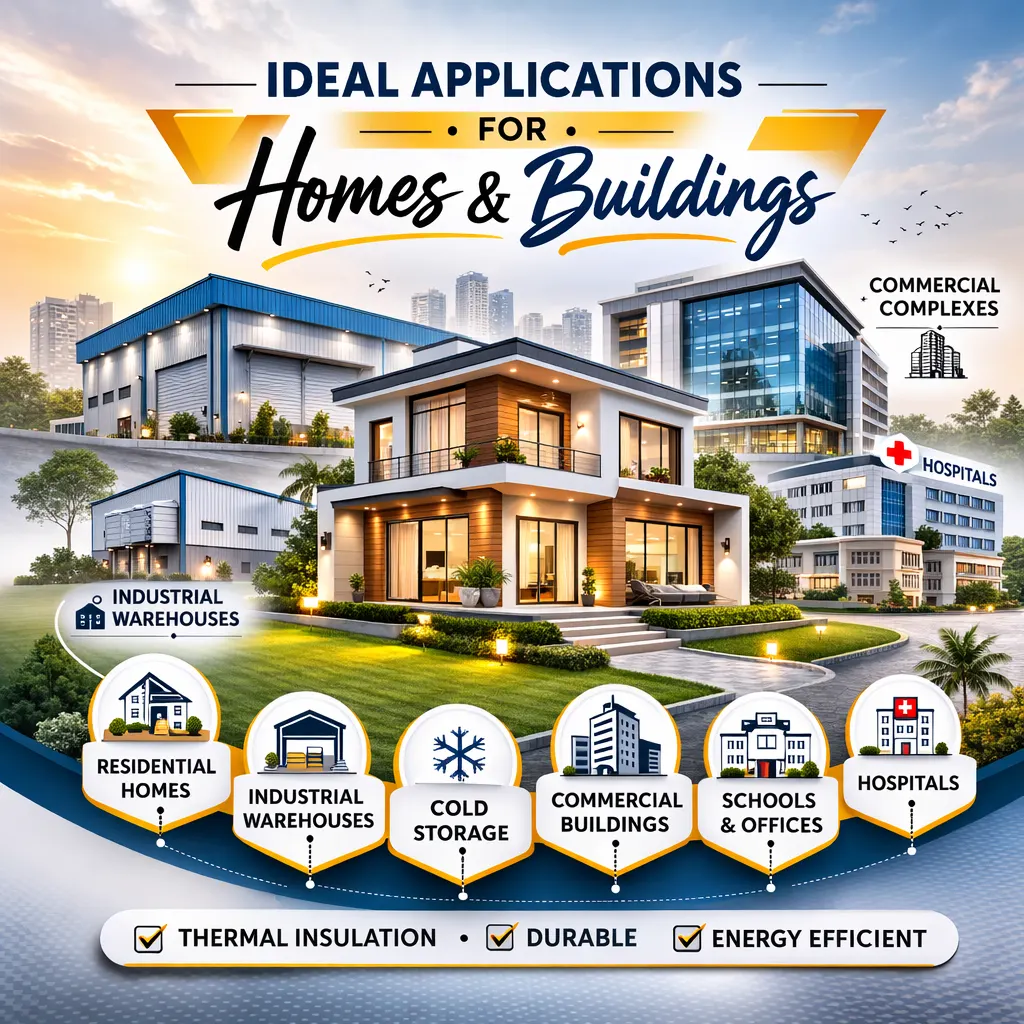
PUF sandwich panels are widely used in:
- Residential houses
- Terrace roofing
- Cooler rooms
- Modular shelters
- Agricultural buildings
- Resorts & homestays
- Industrial sheds
- Warehouses
In residential construction, they are most commonly used for roofing and external walls where heat exposure is maximum.
Conclusion
PUF Sandwich Panels are more than just building materials — they are smart climate solutions. By preventing heat entry, improving insulation, eliminating thermal bridges, and maintaining indoor comfort naturally, they help homeowners stay cool even during extreme summers.
If you’re planning a new home, renovating an old structure, or looking to reduce your AC usage, PUF panels can be one of the most cost-effective and energy-efficient upgrades you make.
With growing concerns around heat waves and rising electricity bills, it’s no surprise that PUF sandwich panels are becoming an essential part of modern construction.
Frequently Asked Questions
PUF panels contain a core of rigid polyurethane foam with very low thermal conductivity, which slows down heat transfer from the outside to the inside, helping keep indoor temperatures cooler.
Yes. By maintaining cooler indoor temperatures with less need for air conditioning, PUF panels reduce reliance on cooling systems, which can lead to lower energy usage and utility bills.
Yes — their closed-cell foam core resists moisture infiltration, helping minimize humidity and reducing the likelihood of mold or dampness inside your home.
Yes, because they are excellent insulators, PUF panels also reduce heat loss in colder months, helping maintain a more stable and comfortable indoor temperature year-round.
Yes — the foam core also provides good acoustic insulation, helping reduce noise from outside while improving indoor comfort.

