






















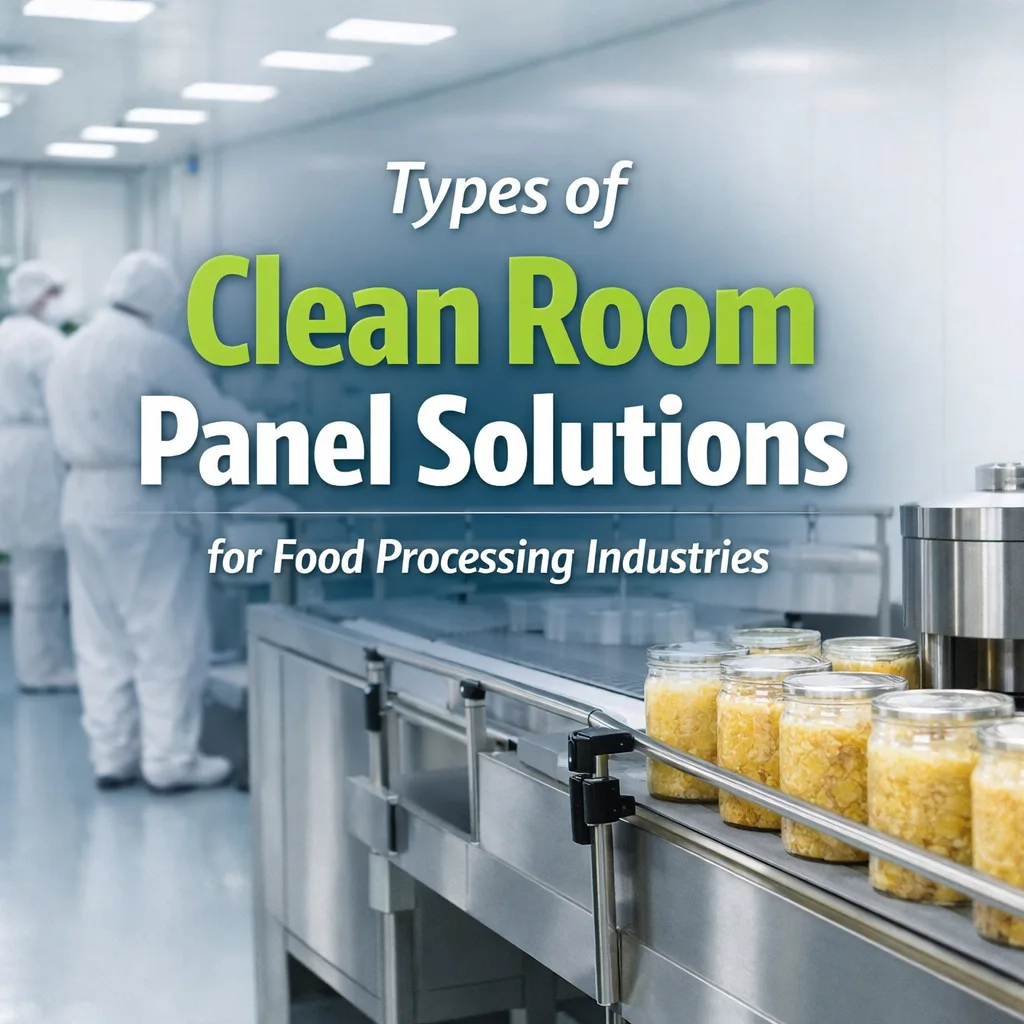
Food processing facilities operate in highly controlled environments where hygiene, temperature stability, and contamination control are critical. From dairy units and meat processing plants to ready-to-eat food manufacturing facilities, maintaining strict sanitary standards is non-negotiable. This is where clean room panel solutions for food processing industries play a vital role.
Clean room panels are specially engineered insulated panels designed to create controlled environments that meet food safety regulations while improving operational efficiency. But what are the best solutions available for food processing industries? Let’s explore in detail.
Why Food Processing Facilities Need Clean Room Panels
Food production areas must comply with strict hygiene and safety standards such as HACCP and GMP. Traditional construction materials often fail to meet these requirements due to porous surfaces, moisture retention, and difficult maintenance.
Clean room panels solve these challenges by offering:
- Non-porous and smooth surfaces
- High resistance to moisture and chemicals
- Excellent thermal insulation
- Easy cleaning and maintenance
- Fast and modular installation
These features ensure a contamination-free environment while maintaining temperature-sensitive zones.
Types of Clean Room Panel Solutions for Food Processing Industries
PUF Insulated Clean Room Panels
PUF (Polyurethane Foam) insulated panels are among the most popular solutions in food processing plants. They provide excellent thermal insulation, making them ideal for cold storage areas, processing rooms, and packaging zones.
Key Benefits:
- Superior thermal resistance
- Energy efficiency
- Lightweight yet strong structure
- Reduced HVAC load
These panels help maintain stable temperatures, especially in facilities handling frozen or chilled products.
PIR Insulated Clean Room Panels
PIR (Polyisocyanurate) panels offer enhanced fire resistance compared to standard PUF panels. For food facilities that require additional fire safety compliance, PIR panels are a strong choice.
Why Choose PIR Panels?
- Improved fire performance
- High structural stability
- Long-term durability
- Suitable for high-temperature zones
They are often preferred in large-scale food processing units where safety standards are stringent.
Stainless Steel Clean Room Panels
In areas exposed to frequent washing, steam cleaning, and chemical sanitization, stainless steel panels are highly recommended.
Advantages:
- Corrosion resistance
- High hygiene standards
- Excellent durability
- Resistance to harsh cleaning agents
These panels are particularly useful in meat, seafood, and dairy processing units.
Modular Clean Room Panel Systems
Modular clean room panel systems allow flexible layout design and quick installation. They are perfect for expanding food facilities or retrofitting existing spaces.
Benefits of Modular Systems:
- Faster project completion
- Minimal disruption to operations
- Easy relocation or expansion
- Cost-effective long-term solution
Food processing industries benefit greatly from modular systems because they allow future scalability.
Key Specifications to Check Before Selecting Clean Room Panels

When selecting the best clean room panel solutions for food processing industries, consider the following factors:
Hygiene and Surface Finish
Panels should have smooth, non-porous surfaces to prevent bacterial growth. Food-grade coatings and anti-microbial finishes enhance safety.
Moisture Resistance
Food facilities experience high humidity levels. Panels must resist moisture absorption and prevent mold formation.
Thermal Insulation
Maintaining temperature stability is crucial for food safety. Insulated panels help reduce energy consumption and maintain consistent internal conditions.
Easy Maintenance
Frequent cleaning is mandatory in food plants. Panels should withstand repeated washing without damage or deterioration.
Compliance with Food Safety Standards
The panels must meet industry guidelines such as GMP and food-grade construction standards.
Applications of Clean Room Panels in Food Processing
Clean room panels are used across various zones in food manufacturing facilities, including:
- Raw material handling areas
- Processing rooms
- Packaging units
- Cold storage rooms
- Blast freezers
- Quality control laboratories
Each area requires specific insulation and hygiene performance, making panel selection crucial.
Benefits of Installing the Right Clean Room Panel Solution
Improved Food Safety
By minimizing contamination risks, clean room panels help maintain product quality and comply with regulatory standards.
Energy Efficiency
High-quality insulated panels reduce heat transfer, lowering energy consumption and operational costs.
Faster Construction
Prefabricated panels allow quick installation compared to conventional construction methods.
Long-Term Cost Savings
Though the initial investment may seem significant, durable clean room panels reduce maintenance and repair costs over time.
Enhanced Operational Efficiency
Controlled environments improve production consistency and reduce product spoilage.
Why Insulated Clean Room Panels Are the Preferred Choice
For most food processing industries, insulated panels such as PUF or PIR are the best overall solution. They combine thermal efficiency, hygiene compliance, structural strength, and cost-effectiveness.
Additionally, their modular design allows easy expansion as production capacity grows. This flexibility is essential in the evolving food industry.
Final Thoughts
Selecting the best clean room panel solutions for food processing industries depends on factors such as temperature requirements, hygiene standards, fire safety compliance, and operational scale.
PUF and PIR insulated panels remain the top choices due to their thermal efficiency and durability. Stainless steel panels are ideal for high-moisture environments, while modular systems provide scalability and flexibility.
By investing in the right clean room panel system, food processing businesses can ensure compliance, improve energy efficiency, and maintain the highest levels of hygiene and safety.
Frequently Asked Questions
Clean room panels are used to build hygienic, controlled environments where food products are processed, packaged, or stored — helping prevent contamination from dust, microbes, or debris in sensitive areas.
Their smooth, sealed surfaces prevent dust and bacteria from accumulating, making cleaning easier and helping facilities meet hygiene and regulatory requirements such as HACCP or ISO food safety standards.
Yes — these systems can be tailored for various production zones, including preparation, packaging, cold storage, and high-risk contamination control areas.
Yes — panels can be customized in thickness, insulation type, surface finish, and configuration to meet food processing requirements and regulatory compliance.
Yes — the thermal insulation properties of panels like PUF reduce heat transfer and maintain stable temperatures, lowering energy consumption for HVAC systems.